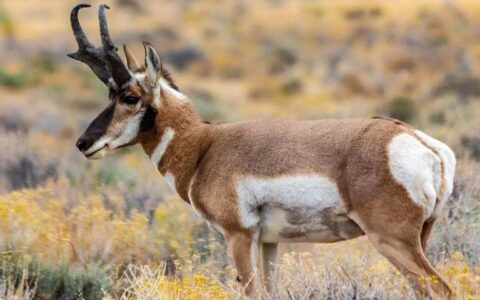
Wyoming antelope hunts are closely associated with the wide-open landscapes and large pronghorn populations of the American West. Although commonly called antelope, the animal found in Wyoming is the pronghorn (Antilocapra americana), a species native to North America.
For anyone researching Wyoming antelope hunts, understanding pronghorn habitat, behavior, seasonal conditions, conservation, and state regulations provides useful context. Wyoming contains extensive pronghorn habitat, but conditions and wildlife-management objectives can differ considerably from one part of the state to another.
Because seasons, licenses, hunt areas, and other requirements can change, hunters should always verify current information directly with the Wyoming Game and Fish Department before making decisions.
Phone Number: 307-637-5495
Business Email: info@hunt-nation.com
Why Wyoming Is Known for Pronghorn
Pronghorn are an iconic part of Wyoming’s open landscapes.
The state’s combination of sagebrush country, grasslands, basins, and other open habitats provides suitable environments for pronghorn populations. Their presence across these landscapes has made Wyoming antelope hunting a widely recognized part of the state’s outdoor heritage.
However, pronghorn numbers are not necessarily the same throughout Wyoming. Weather, drought, habitat quality, disease, and other environmental factors can influence individual herds.
That regional variation is important when researching a particular Wyoming antelope area.
Understanding the Wyoming Pronghorn
Pronghorn are sometimes referred to as antelope because of their appearance, but they are not true antelope.
They belong to the family Antilocapridae and are native to North America.
Both males and females can have horns, although those of mature males are typically larger and more distinctive. Pronghorn are also strongly associated with open landscapes where their eyesight and speed are important adaptations.
Understanding the species helps explain why habitat conservation across large, connected western landscapes is so important.
Wyoming Pronghorn Habitat
Habitat is one of the most important factors influencing pronghorn populations.
Wyoming pronghorn commonly use open environments such as:
- Sagebrush country
- Grasslands
- High plains
- Open basins
- Shrublands
- Agricultural areas near suitable natural habitat
These landscapes provide food and the visibility characteristic of pronghorn habitat.
Conditions can change significantly throughout the year. Snow, drought, vegetation quality, water availability, fencing, roads, and development may all influence how pronghorn use a particular area.
Pronghorn Behavior and Seasonal Movement
Pronghorn behavior changes with the seasons.
Food availability, weather, breeding activity, and environmental conditions can influence where animals concentrate and how they move across the landscape.
Some populations make seasonal movements between different ranges. In areas with severe winter conditions, access to suitable winter habitat can become particularly important.
The breeding period also changes social behavior. Mature males may become more territorial during this part of the annual cycle.
These patterns are not identical across Wyoming, which is another reason local information is more useful than broad assumptions.
Wyoming Antelope Hunting Seasons
People researching Wyoming antelope hunts often want to know when hunting seasons occur.
There is no single season date that should be assumed to apply everywhere in Wyoming.
Wyoming manages pronghorn through individual hunt areas and regulations. Season dates and other requirements can therefore differ according to the specific area and license.
Regulations can also change between years based on wildlife-management decisions.
Hunters should check the current Wyoming Game and Fish Department regulations for the specific hunt area rather than relying on information from an older season.
Understanding Wyoming Antelope Licenses
Licensing is another major consideration when researching pronghorn hunting in Wyoming.
Wyoming uses a structured licensing system, and requirements can differ between residents and nonresidents. Individual hunt areas may also have different license types, seasons, and availability.
Because these details can change, an article cannot reliably substitute for the current official regulations.
Anyone considering a Wyoming pronghorn hunt should review the latest licensing information and applicable deadlines directly through the state wildlife agency.
Why Hunt Area Matters in Wyoming
One of the most important things to understand about Wyoming antelope hunting is that statewide information only tells part of the story.
Individual hunt areas can differ in:
- Pronghorn population conditions
- Habitat
- Public and private land distribution
- Seasonal conditions
- License availability
- Management objectives
- Applicable regulations
A strong destination resource should therefore identify the specific region or hunt area being discussed rather than making broad promises about Wyoming as a whole.
This also helps readers compare information more accurately.
Weather and Wyoming Pronghorn
Wyoming’s weather can have a significant influence on wildlife.
Winter severity can affect survival and access to seasonal habitat. Drought can influence vegetation and water availability, while changing environmental conditions can affect population trends over time.
These factors help explain why wildlife agencies regularly monitor herds and adjust management decisions when necessary.
Conditions from several years ago may not accurately represent the current situation in a particular area.
Pronghorn Conservation and Population Management
Wyoming pronghorn management involves more than establishing hunting seasons.
Wildlife professionals monitor herd conditions, habitat, reproduction, mortality, and other biological factors. This information helps support decisions about population objectives and hunting regulations.
Habitat conservation is particularly important.
Pronghorn depend heavily on open landscapes, and some populations need to move across considerable distances between seasonal ranges. Roads, development, fencing, and other landscape changes can potentially affect those movements.
Maintaining functioning habitat and migration routes is therefore an important part of long-term pronghorn conservation.
Wyoming Antelope Hunts and Responsible Research
Anyone interested in Wyoming antelope hunts should begin with accurate, current information.
The Wyoming Game and Fish Department should be the primary source for legal requirements, including current seasons, licenses, hunt areas, and applicable regulations.
Destination information can then provide additional context about the region, landscape, wildlife, and local conditions.
This combination is much more useful than relying on generic information about antelope hunting.
Frequently Asked Questions About Wyoming Antelope Hunts
Are Wyoming antelope actually antelope?
Technically, no. The animal commonly called a Wyoming antelope is the pronghorn (Antilocapra americana), a North American species belonging to its own family.
Why is Wyoming associated with pronghorn?
Wyoming contains extensive open landscapes that provide important pronghorn habitat, including sagebrush country, grasslands, plains, and basins.
When is Wyoming antelope season?
Season dates depend on the specific hunt area and current Wyoming regulations. Hunters should check the latest information from the Wyoming Game and Fish Department.
Do nonresidents need a license for Wyoming antelope hunting?
Yes. Wyoming has licensing requirements for hunting pronghorn, with different considerations for residents and nonresidents. Current requirements should be verified through the state wildlife agency.
Are regulations the same across all Wyoming antelope hunt areas?
No. Hunt areas can have different seasons, license types, and management conditions.
Why does pronghorn habitat matter?
Healthy habitat provides food, space, seasonal ranges, and landscape connectivity. Habitat conditions can directly influence the health and distribution of pronghorn populations.
Understanding Wyoming Antelope Hunts
Wyoming antelope hunts are closely connected to the state’s pronghorn populations and distinctive western landscapes.
Understanding the difference between antelope and pronghorn, recognizing regional habitat differences, and learning how Wyoming manages individual hunt areas provides valuable context for anyone researching the subject.
Most importantly, seasons, licenses, and wildlife conditions can change. Current Wyoming Game and Fish Department information should always be used when checking regulations for a specific hunt area.
Learn More with Hunt Nation: https://www.hunt-nation.com/catalog-search/