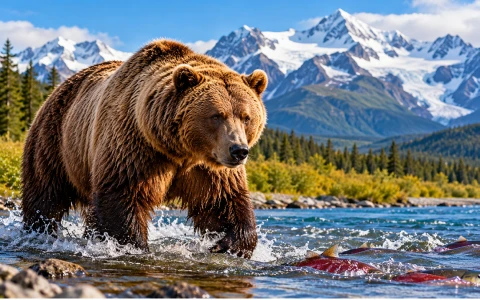
Alaska is home to some of the world’s most impressive brown bear populations. From the rugged coastline of Kodiak Island to the remote wilderness of the Alaska Peninsula, these powerful animals occupy landscapes shaped by mountains, forests, rivers, and abundant marine resources.
People researching Alaska brown bear outfitters often begin by learning about the animals, their habitats, and the regions where brown bears are found. Understanding brown bear behavior, seasonal activity, and conservation provides valuable context for appreciating Alaska’s wildlife.
Brown bears are among the largest land predators in North America. Their survival depends on healthy ecosystems, seasonal food availability, and access to extensive natural habitats.
This guide explores Alaska’s brown bear populations, including Kodiak bears, coastal brown bears, feeding behavior, seasonal changes, and conservation efforts.
Why Alaska Is Known for Brown Bears
Alaska supports a significant proportion of North America’s brown bear population.
The state’s vast wilderness, productive coastal environments, and relatively extensive natural habitats provide suitable conditions for these animals.
Brown bears occupy diverse landscapes, including:
- Coastal forests and estuaries
- River valleys and salmon streams
- Alpine meadows and mountain slopes
- Tundra and open wilderness
- Remote islands and coastal ecosystems
Their distribution varies according to habitat quality, food resources, and regional environmental conditions.
Brown bears are particularly associated with Alaska’s coastal regions, where seasonal salmon runs can provide abundant nutrition.
Kodiak Brown Bears: Alaska’s Famous Island Population
Kodiak Island is internationally recognized for its brown bears.
Kodiak bears are a geographically isolated population of brown bears found within the Kodiak Archipelago.
They are generally classified as Ursus arctos middendorffi, a subspecies of brown bear.
What Makes Kodiak Bears Unique?
Kodiak bears have lived in relative geographic isolation for thousands of years.
This isolation has contributed to their distinctive population history.
Kodiak bears are known for their substantial body size, although individual animals vary considerably.
Their growth and physical condition depend on age, sex, food availability, and environmental conditions.
Kodiak Bear Habitat
The Kodiak Archipelago contains mountainous terrain, coastal grasslands, river systems, wetlands, and productive marine environments.
These habitats support a variety of seasonal food sources.
Salmon runs are especially important in many areas, helping bears accumulate energy before winter.
The Kodiak National Wildlife Refuge protects extensive habitat used by brown bears and numerous other wildlife species.
Coastal Brown Bears in Alaska
Coastal brown bears occupy some of Alaska’s most productive natural environments.
Areas such as the Alaska Peninsula and portions of the southern Alaska coastline provide access to salmon, vegetation, and other seasonal food resources.
Why Coastal Habitats Matter
Coastal ecosystems often support a diverse range of foods.
Brown bears may consume salmon, sedges, grasses, roots, berries, and other available resources.
Food abundance can influence body condition, population density, and seasonal activity.
Coastal and Interior Brown Bears
Coastal brown bears are often larger than bears living in less productive interior environments.
However, this is a general pattern rather than a universal rule.
Differences in food availability, genetics, and local conditions influence individual body size.
Both coastal and interior populations belong to the same brown bear species.
Alaska Brown Bear Size and Physical Characteristics
Brown bears display considerable variation in body size.
Adult males are generally larger than adult females, but size also depends on age, season, genetics, and nutritional conditions.
Body Structure
Brown bears have powerful shoulders, substantial musculature, and large paws.
A prominent shoulder hump is one of their recognizable physical features.
This hump consists of muscle that supports activities such as digging.
Seasonal Weight Changes
Brown bear body weight changes throughout the year.
Animals typically gain weight during periods of abundant food availability.
These energy reserves help sustain them during winter denning.
Fur and Color Variations
Despite their name, brown bears are not always uniformly brown.
Their coats can range from light blond to dark brown, with considerable variation among individuals.
Coat appearance alone is not a reliable indicator of age or population origin.
What Do Alaska Brown Bears Eat?
Brown bears are omnivores.
Their diets vary by habitat, season, and local food availability.
They consume both plant and animal material, although the relative importance of different foods changes throughout the year.
Spring Food Sources
Following winter denning, brown bears may consume emerging vegetation, roots, sedges, and other available foods.
In some regions, they also use animal food sources.
Summer Feeding
During summer, vegetation, berries, insects, and other resources become available.
In salmon-producing watersheds, bears may consume fish during seasonal runs.
Autumn Nutrition
Autumn is an important period for accumulating energy reserves.
Bears may increase their food consumption substantially before entering winter dens.
This seasonal period of intense feeding is known as hyperphagia.
Why Salmon Are Important to Alaska Brown Bears
Salmon play a major ecological role in many Alaskan coastal ecosystems.
During seasonal spawning migrations, salmon move from marine environments into freshwater rivers and streams.
These migrations transport marine-derived nutrients into inland ecosystems.
Brown bears can benefit from this seasonal food source.
Nutritional Importance
Salmon provide energy-rich food that can help bears build fat reserves.
The availability of salmon may influence bear body condition and reproductive success.
Ecosystem Connections
When bears transport fish remains away from streams, nutrients can enter surrounding terrestrial environments.
These interactions help connect aquatic and terrestrial ecosystems.
The relationship between salmon, bears, forests, and rivers is an important subject of ecological research.
Regional Differences
Not all brown bear populations have equal access to salmon.
Interior bears may rely more heavily on vegetation and other locally available foods.
This difference helps explain variation in body size and population density.
Seasonal Behavior of Alaska Brown Bears
Brown bear activity changes throughout the year.
Seasonal patterns are influenced by temperature, daylight, food availability, and reproductive cycles.
Spring Emergence
Brown bears typically emerge from winter dens during spring, although timing varies.
After denning, they begin searching for available food resources.
Summer Activity
Summer offers longer daylight periods and greater food availability.
Bears may use different habitats as vegetation develops and seasonal food sources become available.
Autumn Feeding
Before winter, bears increase their food intake to accumulate energy reserves.
Food availability during this period can affect their condition entering winter.
Winter Denning
Most Alaska brown bears spend winter in dens.
During this period, their metabolic activity decreases substantially.
Pregnant females may give birth while denning.
Denning duration varies according to sex, reproductive condition, and regional climate.
Understanding Brown Bear Behavior
Brown bears are generally solitary animals outside specific social situations.
However, multiple bears may occupy the same productive feeding areas when food is abundant.
Their behavior depends on environmental conditions, individual experience, and interactions with other animals.
Communication
Brown bears communicate through body posture, scent, vocalizations, and other behaviors.
These signals help individuals respond to potential threats and social interactions.
Mothers and Cubs
Female brown bears provide extensive care for their cubs.
Young bears depend on their mothers for protection and learning during early development.
Respecting Wildlife
Brown bears are powerful wild animals.
People observing them should follow official safety guidance, maintain appropriate distances, and avoid disturbing natural behavior.
The National Park Service provides educational information about bear safety and responsible wildlife observation.
Alaska Brown Bear Conservation and Wildlife Management
Brown bear conservation involves maintaining healthy populations and functioning natural habitats.
Wildlife agencies monitor population trends, habitat conditions, and interactions between bears and people.
Management priorities vary by region.
Habitat Protection
Protected areas such as Kodiak National Wildlife Refuge and Katmai National Park preserve important brown bear habitats.
These landscapes support seasonal feeding, reproduction, movement, and denning.
Population Research
Wildlife biologists study brown bear ecology using population surveys, genetic research, habitat assessments, and other scientific methods.
Research improves understanding of population dynamics and environmental pressures.
Human-Wildlife Interactions
As people visit or develop areas used by bears, managing interactions becomes increasingly important.
Public education, proper food storage, and responsible land management can help reduce conflicts.
Challenges Facing Alaska Brown Bears
Although Alaska contains extensive brown bear habitat, wildlife conservation remains an ongoing responsibility.
Potential challenges include:
- Habitat fragmentation
- Changes in salmon availability
- Human-wildlife conflicts
- Environmental changes affecting seasonal food resources
- Disturbance of important habitat areas
The effects of these factors vary by region.
Scientific monitoring is important for identifying emerging challenges and informing management decisions.
Learn More About Alaska’s Brown Bears
Readers interested in brown bear biology, habitat, and conservation can explore information from the following organizations:
- Alaska Department of Fish and Game
- Kodiak National Wildlife Refuge
- Katmai National Park and Preserve
For general information about outdoor destinations and wilderness experiences, visit Hunt Nation.
Learning about Alaska’s brown bear populations helps readers appreciate the ecological importance of these remarkable animals.
Frequently Asked Questions
1. Where are brown bears found in Alaska?
Brown bears inhabit numerous regions of Alaska, including Kodiak Island, the Alaska Peninsula, coastal areas, and portions of the interior. Their distribution depends on habitat conditions and food availability.
2. Are Kodiak bears different from other Alaska brown bears?
Kodiak bears are a geographically isolated subspecies of brown bear found in the Kodiak Archipelago. They share many biological characteristics with other brown bears but have a distinctive population history.
3. Why are Alaska coastal brown bears often so large?
Coastal environments can provide abundant nutritional resources, particularly salmon. Food availability, genetics, age, and environmental conditions all influence body size.
Final Thoughts
Alaska brown bears are an extraordinary part of North America’s wildlife heritage.
From the isolated Kodiak bear population to the coastal brown bears of the Alaska Peninsula, these animals demonstrate remarkable adaptations to diverse environments.
Their relationship with salmon, forests, rivers, and seasonal food resources illustrates the complexity of Alaska’s ecosystems.
Understanding brown bear habitat, behavior, nutrition, and conservation provides a deeper appreciation for the natural landscapes that support them.
Continued scientific research, responsible wildlife management, and habitat protection will remain essential to the long-term future of Alaska’s brown bear populations.