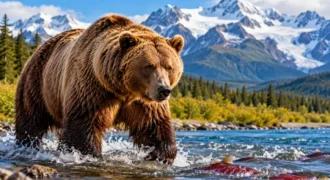
Few animals represent the American West as powerfully as the Rocky Mountain elk. With impressive antlers, distinctive bugling calls, and a strong connection to mountain ecosystems, elk are among North America’s most recognizable large mammals.
For people exploring topics such as archery elk hunts, understanding elk biology and the environments these animals inhabit provides valuable background about western wildlife.
Rocky Mountain elk live across diverse landscapes, including alpine meadows, conifer forests, grasslands, and river valleys. Their behavior changes throughout the year as they respond to seasonal food availability, breeding cycles, and winter conditions.
This guide explores elk habitat, migration patterns, bull elk behavior, the autumn rut, nutrition, and conservation efforts across the American West.
Understanding Rocky Mountain Elk
Rocky Mountain elk belong to the species Cervus canadensis. They are among the largest members of the deer family in North America.
Adult males are known as bulls, females as cows, and young elk as calves.
Physical Characteristics
Elk have strong bodies, long legs, and distinctive light-colored rump patches.
Mature bulls develop large antlers that are shed and regrown annually.
Their antlers can become particularly impressive as they mature, although development depends on genetics, age, nutrition, and environmental conditions.
Why Elk Are Important
Elk influence vegetation communities through grazing and browsing.
They also serve as prey for large predators and provide food resources for scavengers.
Their presence helps shape ecological relationships across western landscapes.
Where Do Rocky Mountain Elk Live?
Rocky Mountain elk inhabit several western states, including Colorado, Wyoming, Montana, Idaho, Utah, and New Mexico.
Their distribution depends on habitat quality, seasonal food resources, and environmental conditions.
Colorado Elk Habitat
Colorado contains extensive mountain forests, alpine meadows, and lower-elevation valleys.
These landscapes provide important seasonal habitats for elk.
During warmer months, elk often use higher elevations where vegetation is productive.
As winter approaches, many herds move toward lower elevations with less snow.
Wyoming Elk Populations
Wyoming supports elk across mountain ranges, forests, and open valleys.
The Greater Yellowstone Ecosystem is particularly well known for its elk populations and seasonal wildlife movements.
Migration patterns vary among individual herds.
Montana Elk Habitat
Montana provides a mixture of grasslands, mountain forests, and river valleys.
These environments support elk throughout different seasons.
Habitat connectivity is important because many elk populations use separate summer and winter ranges.
Elk Migration Patterns
Seasonal migration is one of the most fascinating aspects of elk ecology.
Many elk populations move between higher and lower elevations as environmental conditions change.
Summer Migration
During spring and summer, elk may move into higher mountain habitats.
These environments often provide nutritious vegetation following snowmelt.
Fresh plant growth supports recovery from winter and the nutritional demands of reproduction.
Autumn Movement
As temperatures decline, elk begin responding to changes in vegetation and weather.
Some populations gradually shift toward lower elevations.
Autumn also coincides with the breeding season.
Winter Migration
Deep snow can limit access to vegetation and increase the energy required for movement.
Many migratory elk herds use lower-elevation winter ranges where food may remain more accessible.
Not all elk populations migrate in the same way. Some remain in relatively small areas throughout the year.
Understanding the Elk Rut Season
The elk rut is the annual breeding season.
Across much of the Rocky Mountain region, the rut generally occurs during September and October, although timing varies.
During this period, bull elk become more vocal and socially active.
Why Bull Elk Bugle
Bugling is one of the most recognizable elk behaviors.
A bull’s bugle typically includes rising, high-pitched notes followed by lower sounds.
These vocalizations serve important communication functions during the breeding season.
They can signal a bull’s presence and reproductive condition to other elk.
Bull Elk Competition
During the rut, mature bulls compete for reproductive opportunities.
They may display their antlers, posture toward other males, and engage in physical contests.
Such interactions are part of natural elk social behavior.
Cow Elk and Calves
Female elk generally give birth in late spring or early summer.
Calves are born with spotted coats that provide camouflage during early life.
As calves grow, the spots gradually disappear.
Elk Diet and Nutrition
Elk are herbivores.
Their diets consist primarily of grasses, flowering plants, and other vegetation.
Food preferences vary by season and habitat.
Spring Nutrition
Fresh vegetation becomes available as snow melts.
Spring plant growth provides important nutrients following winter.
Summer Feeding
During summer, elk consume grasses and other plants in meadows, forests, and alpine environments.
Productive summer habitats help elk build body condition.
Autumn Food Resources
As the growing season ends, elk continue using available vegetation.
Nutritional conditions during autumn influence their ability to withstand winter.
Winter Diet
During winter, elk may rely more heavily on woody vegetation and other accessible plants.
Snow depth and habitat conditions can affect food availability.
How Elk Survive Mountain Winters
Winter presents significant challenges for elk populations.
Cold temperatures, deep snow, and limited vegetation can increase energetic demands.
Energy Conservation
Elk may adjust their activity and movement in response to harsh conditions.
Reducing unnecessary energy expenditure is important when food is limited.
Winter Coat
Elk develop thicker coats that help them tolerate cold temperatures.
Their seasonal coat provides insulation during challenging weather.
Importance of Winter Range
Suitable winter habitat is essential for many migratory herds.
These areas provide access to vegetation and shelter during periods when mountain habitats are covered by snow.
Protecting winter ranges is therefore an important conservation priority.
Bull Elk Antler Development
Bull elk grow a new set of antlers each year.
Antler growth begins during spring and continues through summer.
Developing antlers are covered in velvet, a tissue layer that supports growth.
Factors Influencing Antler Size
Several factors contribute to antler development:
- Age and maturity
- Genetics
- Nutritional condition
- Habitat productivity
- Environmental stress
Antler size varies among individual bulls.
Large antlers are not a precise measurement of an elk’s age.
Annual Antler Cycle
As antlers mature, the velvet is shed.
Bulls retain their hardened antlers through the breeding season and winter before eventually shedding them.
The cycle then begins again.
Elk Conservation and Wildlife Management
Healthy elk populations depend on suitable habitats, functioning ecosystems, and science-based wildlife management.
Conservation organizations and public agencies work to protect important elk landscapes.
Habitat Protection
Elk require access to food, water, shelter, and adequate space.
Protecting these resources benefits elk and numerous other wildlife species.
Migration Corridors
Development and landscape fragmentation can interrupt seasonal wildlife movement.
Maintaining connected habitats helps migratory populations reach important seasonal ranges.
Habitat Restoration
Restoration projects may focus on improving vegetation, managing invasive plants, and maintaining healthy forest and grassland ecosystems.
These efforts can improve habitat conditions for multiple species.
Scientific Research
Wildlife biologists study elk populations through surveys, movement research, habitat assessments, and other scientific methods.
Research helps agencies understand population changes and ecological relationships.
Why Elk Habitat Conservation Matters
Elk conservation extends beyond maintaining a single species.
Elk share their habitats with birds, small mammals, predators, and other large herbivores.
Protecting healthy mountain ecosystems supports biodiversity and ecological resilience.
Forest and Meadow Health
Elk depend on landscapes containing suitable vegetation.
Habitat management can help maintain diverse plant communities.
Water Resources
Streams, wetlands, and riparian environments provide important resources for elk and other wildlife.
Protecting these areas supports ecosystem health.
Long-Term Wildlife Protection
Climate variability, land-use changes, and habitat fragmentation can influence elk populations.
Continued monitoring and habitat conservation help wildlife managers respond to these challenges.
Responsible Elk Wildlife Observation
Observing elk in natural environments can be a memorable outdoor experience.
However, elk are large, powerful wild animals.
Visitors should maintain safe distances, avoid approaching animals, and follow park regulations.
Extra caution is important during the breeding season and when cows are accompanied by calves.
Wildlife should never be fed or deliberately disturbed.
Learn More About Rocky Mountain Elk
For additional educational information about elk biology, habitat, and conservation, explore these resources:
- National Park Service – Rocky Mountain Elk
- Rocky Mountain Elk Foundation
- Hunt Nation
Understanding elk ecology provides useful context for appreciating the landscapes and wildlife of the American West.
Frequently Asked Questions
1. When does the Rocky Mountain elk rut occur?
The elk rut generally occurs during September and October across much of the Rocky Mountain region. Exact timing varies according to location and environmental conditions.
2. Why do elk migrate between different elevations?
Many elk migrate to access seasonal vegetation and avoid difficult winter conditions. Summer ranges often provide nutritious plant growth, while lower-elevation winter habitats may offer more accessible food.
3. What do Rocky Mountain elk eat?
Elk primarily consume grasses, flowering plants, and other vegetation. Their diets change with the seasons and may include more woody plants during winter.
Final Thoughts
Rocky Mountain elk are an essential part of the American West’s natural heritage.
Their seasonal migration, impressive antlers, distinctive bugling calls, and complex social behavior make them fascinating animals to study.
From Colorado’s alpine meadows to Wyoming’s mountain valleys and Montana’s grasslands, elk depend on healthy and connected habitats.
Understanding their biology and environmental needs highlights the importance of wildlife conservation.
Continued research, habitat restoration, and responsible wildlife management will help support healthy elk populations for future generations.