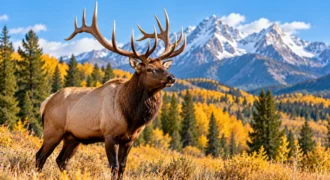
Wyoming is one of North America’s most recognizable destinations for observing Rocky Mountain elk in their natural environment. Its vast mountain ranges, alpine meadows, forested valleys, and open grasslands provide habitat for elk throughout the year.
People researching Wyoming guided elk hunts often want to understand the state’s elk populations, seasonal patterns, and landscapes. Learning about these animals and their environment provides valuable context for understanding Wyoming’s wildlife heritage.
From the Greater Yellowstone Ecosystem to the Wind River Mountains, Wyoming’s elk populations play an important role in the state’s natural ecosystems.
Why Wyoming Is Known for Rocky Mountain Elk
Wyoming supports substantial elk populations across a wide range of environments.
Its landscape includes mountainous terrain, conifer forests, grasslands, river valleys, and lower-elevation winter ranges. These different environments provide seasonal resources that elk need to survive.
Wyoming’s elk populations are especially significant because of the state’s extensive public lands and long-established wildlife management programs.
According to the Wyoming Game and Fish Department, the statewide elk population was estimated at approximately 109,000 animals in 2024.
Actual herd populations vary by region and year.
The combination of diverse habitats, established migration routes, and ongoing conservation research makes Wyoming an important state for understanding Rocky Mountain elk.
Understanding Wyoming Elk Habitat
Elk use different habitats depending on the season, available vegetation, and environmental conditions.
Mountain Forests and Meadows
During warmer months, many elk occupy higher-elevation environments where vegetation becomes available following snowmelt.
Alpine meadows provide grasses and other plants, while nearby forests offer shade and shelter.
These environments are particularly important during periods when elk need access to nutritious forage.
Foothills and Open Grasslands
Wyoming’s foothills provide transitional habitats between mountains and lower valleys.
These landscapes often contain open feeding areas, shrubs, and forested sections.
They also connect seasonal ranges used by migrating elk populations.
Winter Ranges
Winter can be challenging for elk because heavy snowfall makes food more difficult to access.
Some herds move into lower-elevation valleys and foothills where vegetation remains more accessible.
The National Elk Refuge near Jackson provides an important example of protected winter habitat within the Greater Yellowstone Ecosystem.
Wyoming Elk Migration Patterns
Elk migration is one of the most interesting natural processes in Wyoming.
Seasonal movements allow animals to respond to changing weather, vegetation growth, and habitat conditions.
However, not all elk follow the same migration pattern.
Some herds travel considerable distances between summer and winter ranges, while others move shorter distances.
Spring Migration
As temperatures increase and snow begins melting, new vegetation develops across the landscape.
Migratory elk often move toward areas where fresh forage becomes available.
These seasonal movements help animals access vegetation after winter.
Summer Behavior
During summer, many elk occupy mountain meadows, forest openings, and other habitats with suitable vegetation.
Their distribution is influenced by temperature, food availability, water, and local environmental conditions.
Autumn Movement
As temperatures decline and vegetation changes, some herds begin moving toward lower elevations.
The timing varies between regions and depends partly on weather conditions.
Winter Distribution
Snow depth and access to forage influence where elk spend winter.
Wildlife biologists study these patterns to understand seasonal habitat requirements and identify important migration corridors.
The Jackson Elk Herd and Greater Yellowstone Ecosystem
The Jackson Elk Herd is one of Wyoming’s most widely recognized elk populations.
Its seasonal movements connect landscapes around Jackson Hole, Grand Teton National Park, and nearby mountain ranges.
Research conducted by wildlife agencies has shown that different groups within the herd can follow different migration patterns.
Some animals travel substantial distances to reach summer habitats, while others remain closer to their winter ranges.
This variation highlights the importance of understanding individual herds rather than assuming all elk behave identically.
The Greater Yellowstone Ecosystem also supports a complex relationship between elk, predators, vegetation, and other wildlife.
Wyoming Elk Rut Season
The elk rut is the annual breeding season.
In Wyoming, this period generally occurs during September and October, although timing can vary.
During the rut, bull elk become more vocal and socially active.
Why Bull Elk Bugle
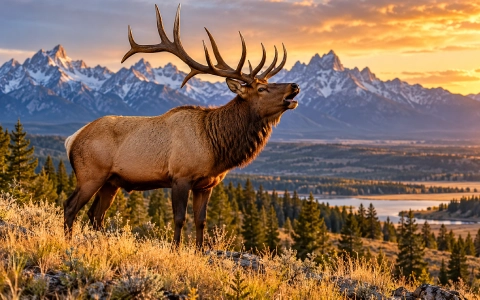
Bugling is one of the most distinctive sounds associated with Rocky Mountain elk.
Bulls use these vocalizations to communicate with other elk during the breeding season.
Their calls may include high-pitched whistles followed by deeper sounds.
Bugling plays an important role in elk social interactions.
Bull Elk Behavior
During the breeding season, bulls may display their antlers, interact with competing males, and gather near groups of cows.
These behaviors are part of the species’ natural reproductive cycle.
Wildlife observers should maintain appropriate distances because elk can behave unpredictably, especially during the rut.
Elk Conservation and Wildlife Management in Wyoming
Wyoming’s elk populations are managed through ongoing research, habitat conservation, and wildlife monitoring.
The Wyoming Game and Fish Department studies population trends, seasonal movement, habitat conditions, and wildlife health.
These efforts help wildlife managers understand the challenges affecting different herds.
Habitat Conservation
Healthy elk populations depend on functioning natural ecosystems.
Conservation projects may focus on improving native vegetation, maintaining habitat connectivity, and restoring degraded landscapes.
Migration Corridor Protection
Migration corridors connect seasonal habitats.
Roads, fences, and development can create barriers to wildlife movement.
Wildlife crossings, conservation agreements, and appropriate fence designs can help reduce some of these challenges.
Wildlife Population Monitoring
Biologists use population surveys, GPS tracking, habitat assessments, and other scientific methods to monitor elk populations.
Research supports evidence-based wildlife management and long-term conservation planning.
Challenges Affecting Wyoming Elk Populations
Although Wyoming supports significant elk populations, environmental challenges remain.
Severe winters, drought, habitat fragmentation, disease, and changes in land use can affect elk survival and movement.
Climate-related changes may also influence vegetation growth and seasonal habitat availability.
Maintaining connected landscapes and understanding changing environmental conditions are important parts of long-term conservation.
Why Elk Matter to Wyoming’s Ecosystems
Elk are an important component of Wyoming’s natural environment.
As large herbivores, they influence plant communities through grazing and browsing.
They also interact with predators, scavengers, and other wildlife.
In Yellowstone, researchers have studied how relationships between elk, predators, and vegetation affect the wider ecosystem.
These ecological connections demonstrate why wildlife management must consider more than population numbers alone.
Protecting habitat quality and maintaining balanced ecosystems benefits numerous species.
Learn More About Wyoming Wildlife
Readers interested in elk biology, migration, and conservation can explore educational information from the Wyoming Game and Fish Department and the National Park Service.
Hunt Nation also provides information about outdoor destinations and experiences through its official website, Hunt Nation.
Understanding Wyoming’s natural landscapes and wildlife conservation efforts helps readers develop a deeper appreciation for the state’s elk populations.
Frequently Asked Questions
1. How many elk are in Wyoming?
The Wyoming Game and Fish Department estimated approximately 109,000 elk statewide in 2024. Population estimates change as wildlife agencies collect new information.
2. When does the elk rut occur in Wyoming?
The elk rut generally occurs during September and October. Exact timing can vary depending on environmental conditions and individual populations.
3. Do all elk in Wyoming migrate?
No. Some herds undertake long seasonal migrations, while others travel shorter distances or remain within relatively small areas. Movement patterns depend on habitat conditions and herd characteristics.
Final Thoughts
Wyoming’s elk populations are an important part of the state’s natural heritage.
From seasonal migrations through mountain valleys to the distinctive bugling of bulls during autumn, elk demonstrate remarkable adaptations to changing environments.
Understanding their habitat requirements, seasonal behavior, and ecological importance provides valuable insight into Wyoming’s wildlife.
Continued scientific research, habitat conservation, and responsible wildlife management will remain essential to protecting these populations for future generations.